
Mystical Unveiled: A Beginner’s Guide to the Tarot Cards
Introduction
Brief History of Tarot Cards
The journey into the mystical world of Tarot cards is both fascinating and enlightening. Tarot cards have a rich and storied history that dates back to the 15th century in Europe. Initially used as playing cards, they gradually evolved into tools for divination and self-reflection. Understanding the historical context of Tarot cards enhances their allure and provides deeper insights into their symbolism and significance.
Purpose of Tarot Cards
For those intrigued by the esoteric, Tarot cards offer a profound connection to the mystical and spiritual realms. They serve as a mirror to our subconscious, revealing truths and guiding us through life’s complexities. Tarot is often misunderstood as a mere fortune-telling tool; however, its primary purpose is to facilitate introspection, self-awareness, and personal growth.
Table of Contents
Importance of Learning Tarot
Embarking on the journey to learn Tarot can be transformative. It enhances your intuition, deepens your understanding of life’s intricate patterns, and fosters a sense of connection with the universe. Tarot reading empowers you to navigate challenges with clarity and confidence, making it an invaluable skill for personal development.
Understanding the Tarot Deck
Structure of the Deck
A Tarot deck consists of 78 cards, each with its unique imagery and symbolism. The deck is divided into two main sections: the Major Arcana and the Minor Arcana.
Major Arcana
The Major Arcana consists of 22 cards, each representing significant life events or archetypal energies. Key cards like The Fool, The Magician, and The High Priestess symbolize major themes in a person’s life journey.
Minor Arcana
The remaining 56 cards form the Minor Arcana, which is divided into four suits: Wands, Cups, Swords, and Pentacles. Each suit represents different aspects of life, such as creativity, emotions, intellect, and material concerns. The court cards—Pages, Knights, Queens, and Kings—add depth to the readings by depicting different personality traits and roles.
Major Arcana
The Major Arcana cards are the heart of the Tarot deck, often called the “Fool’s Journey.” Each card carries profound symbolism and meaning, guiding you through significant life lessons and spiritual insights. For example, The Fool represents new beginnings and limitless potential, while The Magician signifies mastery and manifestation of desires.
Minor Arcana
The Minor Arcana complements the Major Arcana by offering insights into everyday matters. The four suits—Wands, Cups, Swords, and Pentacles—correspond to different elements and aspects of life. Wands represent fire and creativity, Cups symbolize water and emotions, Swords denote air and intellect, and Pentacles correspond to earth and material concerns. Understanding the Minor Arcana enhances your ability to provide detailed and nuanced readings.
The Symbolism and Imagery of Tarot Cards
Common Symbols and Their Meanings
Tarot cards are rich in symbolism, with each image conveying multiple layers of meaning. Common symbols include the infinity sign, which represents boundless potential, and the wheel, signifying cycles and change. Colors, numbers, and astrological associations further enrich the interpretation of each card.
Interpreting Symbols in a Reading
Effective Tarot reading involves interpreting these symbols in the context of the querent’s (the person seeking the reading) life. Developing an intuitive understanding of the imagery and drawing connections to personal experiences can provide profound insights and guidance.
Preparing for a Tarot Cards Reading
Choosing and Caring for Your Deck
Selecting a Tarot deck that resonates with you is crucial. Popular choices include the Rider-Waite-Smith deck, known for its detailed imagery, and the Thoth deck, which offers a more esoteric approach. Once you’ve chosen your deck, it’s important to cleanse and energize it. This can be done through various methods such as smudging with sage, placing the cards under moonlight, or simply shuffling them while focusing on your intentions.
Creating a Sacred Space
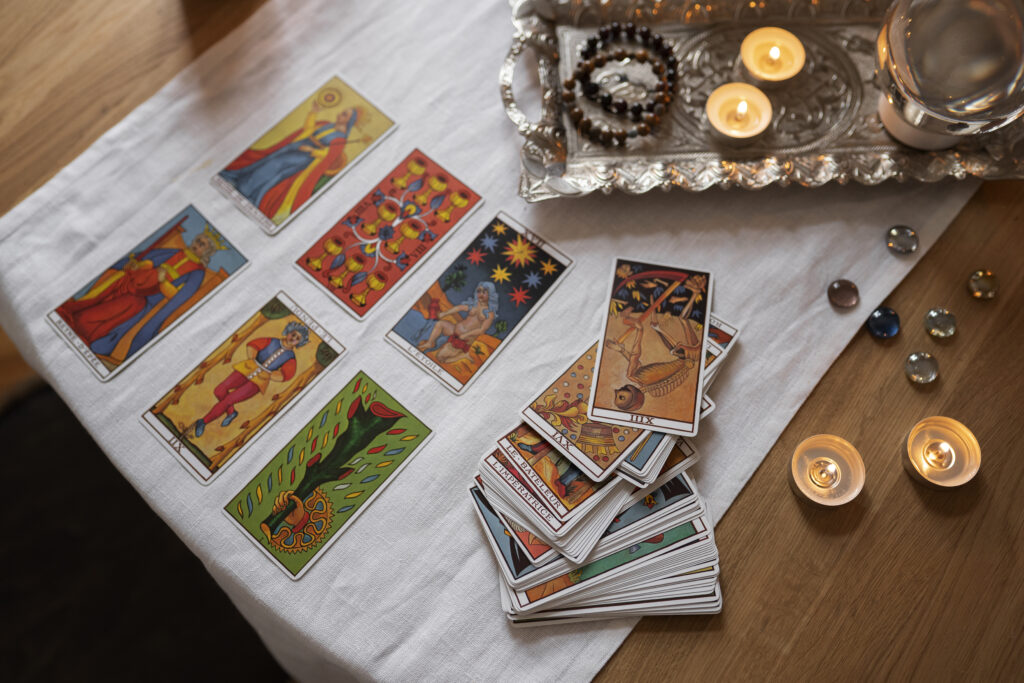
Creating a conducive environment for your readings enhances your connection with the Tarot. Set aside a quiet, comfortable space where you won’t be disturbed. Incorporate elements that help you focus, such as candles, crystals, and incense. Setting a clear intention before the reading helps to align your energy and open your mind to the messages of the cards.
Basic Tarot Spreads
One-Card Pull
A one-card pull is a simple yet powerful way to gain quick insights. It’s ideal for daily guidance or for addressing specific questions. This spread encourages you to focus on a single aspect of your life, providing clarity and direction.
Three-Card Spread
The three-card spread is a versatile and popular layout. It typically represents the past, present, and future, offering a comprehensive view of a situation. This spread helps you understand how past influences affect your current circumstances and what potential outcomes may arise.
The Celtic Cross
The Celtic Cross is a more complex spread, perfect for exploring intricate issues. It consists of ten cards, each with a specific position and meaning. This spread provides an in-depth analysis of the querent’s situation, revealing hidden influences, challenges, and potential outcomes.
Conducting a Tarot Reading
Formulating Questions
The quality of your Tarot reading largely depends on the questions you ask. Open-ended questions encourage deeper exploration and insights. Instead of asking “Will I get a new job?” consider asking “What can I do to find a fulfilling job?” This approach allows the cards to provide more meaningful guidance.
Shuffling and Drawing Cards
There are various methods for shuffling and drawing cards, including the overhand shuffle and the riffle shuffle. Choose a method that feels comfortable and allows you to focus on your question. While shuffling, concentrate on your intentions and visualize the energy flowing into the cards.
Interpreting the Spread
Interpreting a Tarot spread involves combining the meanings of individual cards and understanding how they relate to each other. Pay attention to recurring themes, symbols, and patterns. Trust your intuition and allow it to guide you in making connections between the cards and the querent’s situation.
Common Challenges and How to Overcome Them
Interpreting Reversed Cards
Reversed cards, which appear upside down in a spread, can pose a challenge for beginners. There are different schools of thought regarding their interpretation. Some readers see reversals as blocked or opposite energies, while others focus on subtle nuances. Experiment with both approaches to find what resonates with you.
Overcoming Self-Doubt
Confidence in your reading abilities grows with practice. Start by reading for yourself and then gradually offer readings to friends and family. Seek feedback and learn from each experience. Joining Tarot communities and engaging with experienced readers can also boost your confidence and knowledge.
Ethical Considerations
Ethics play a crucial role in Tarot reading. Always respect the querent’s privacy and boundaries. Avoid making definitive predictions about serious matters such as health or legal issues. Instead, offer constructive guidance and support, empowering the querent to make informed decisions.
Developing Your Tarot Cards Skills
Journaling and Reflection
Keeping a Tarot journal is an excellent way to track your progress and deepen your understanding. Record your readings, insights, and any patterns you observe. Reflect on how the cards’ messages manifest in your life, and use this as a tool for personal growth.
Continued Learning and Exploration
Tarot is a lifelong journey of discovery. There are numerous resources available for continued learning, including books, online courses, and workshops. Delving into advanced spreads, symbolism, and esoteric teachings can enrich your practice and expand your knowledge.
Connecting with the Tarot Cards Community
Engaging with the Tarot community provides support, inspiration, and opportunities for growth. Join online forums, attend local meetups, and participate in workshops. Sharing experiences and learning from others enhances your skills and deepens your connection to the Tarot.
Conclusion
Learning Tarot is a transformative journey that enhances intuition, personal growth, and spiritual connection. By understanding the structure and symbolism of the Tarot deck, preparing for readings, and practicing regularly, you can unlock profound insights and guidance.
Encouragement to Begin Your Tarot Journey
Embrace the mystical world of Tarot with an open heart and mind. Trust in the process, practice with dedication, and allow the cards to guide you on your path. Remember, Tarot is not just about predicting the future but about understanding yourself and the world around you. Start your journey today and discover the wisdom and magic that Tarot has to offer.
